How to set up auto-responder with Postfix
Postfix administrators are often forced to deal with the problem of setting up an autoresponder directly on the server without need of configuring client machines. Configuring a separate Out of Office message on every end-user individually is not always possible. Postfix mail server doesn’t have a built-in auto-responder mechanism, so you need to use a third-party tool.
There are not many options available on the market, but you should try MSH Autoresponder, as it simply offers you much more than you could normally expect from that kind of software.
NOTE: If you have a hybrid environment with Microsoft Exchange Server inside your organization, you could check MSH Exchange Autoresponder software for server-side auto replies.
The application consists of two modules: the first must be installed on the server, the second on a client desktop. More detailed information about installation options can be found in the documentation. The desktop admin application installs like any other software — very easily.
Once installed and connected to the server, the auto reply software is ready to use. To set up a simple auto reply, click the Add New button to add a new rule.
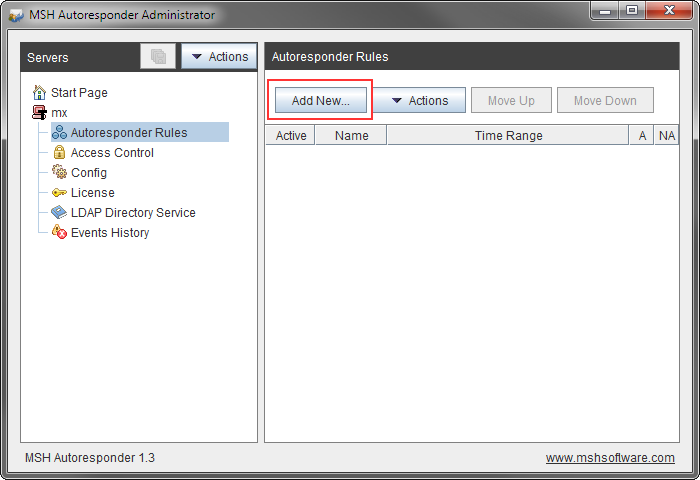
On the Auto Reply tab fill Subject and auto reply Body. In this example, I’ll skip the other auto reply options, but you can use Dynamic Variables to specify how the sender should be chosen when more than one recipient is matched.
Go to Conditions tab and select
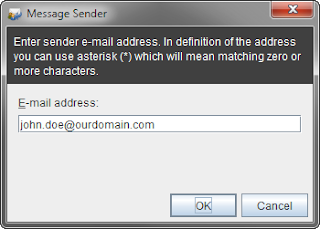
Add | Message Sender menu item. Application will ask you based on which sender should trigger auto reply message.
You could use full mailbox name, like john.doe@ourdomain.com or only domain part *@ourdomain.com (use wildcards to match multiple addresses).
In the second example, an auto reply will be sent when someone sends an email to your domain.
NOTE: Check also Protection tab. There are very important settings to adjust. Use them to protect server from message loops.
Click button OK and Save All settings. Rule is now ready to test, send a new message to john.doe@ourdomain.com, wait a moment and you should receive previously defined auto reply message.
I showed how to create a very simple auto reply rule. There is more room to configure and customize auto replies, ie. different for each group of users, so learn more about auto-responders for your mail server.
To learn more visit MSH Postfix Autoresponder website.